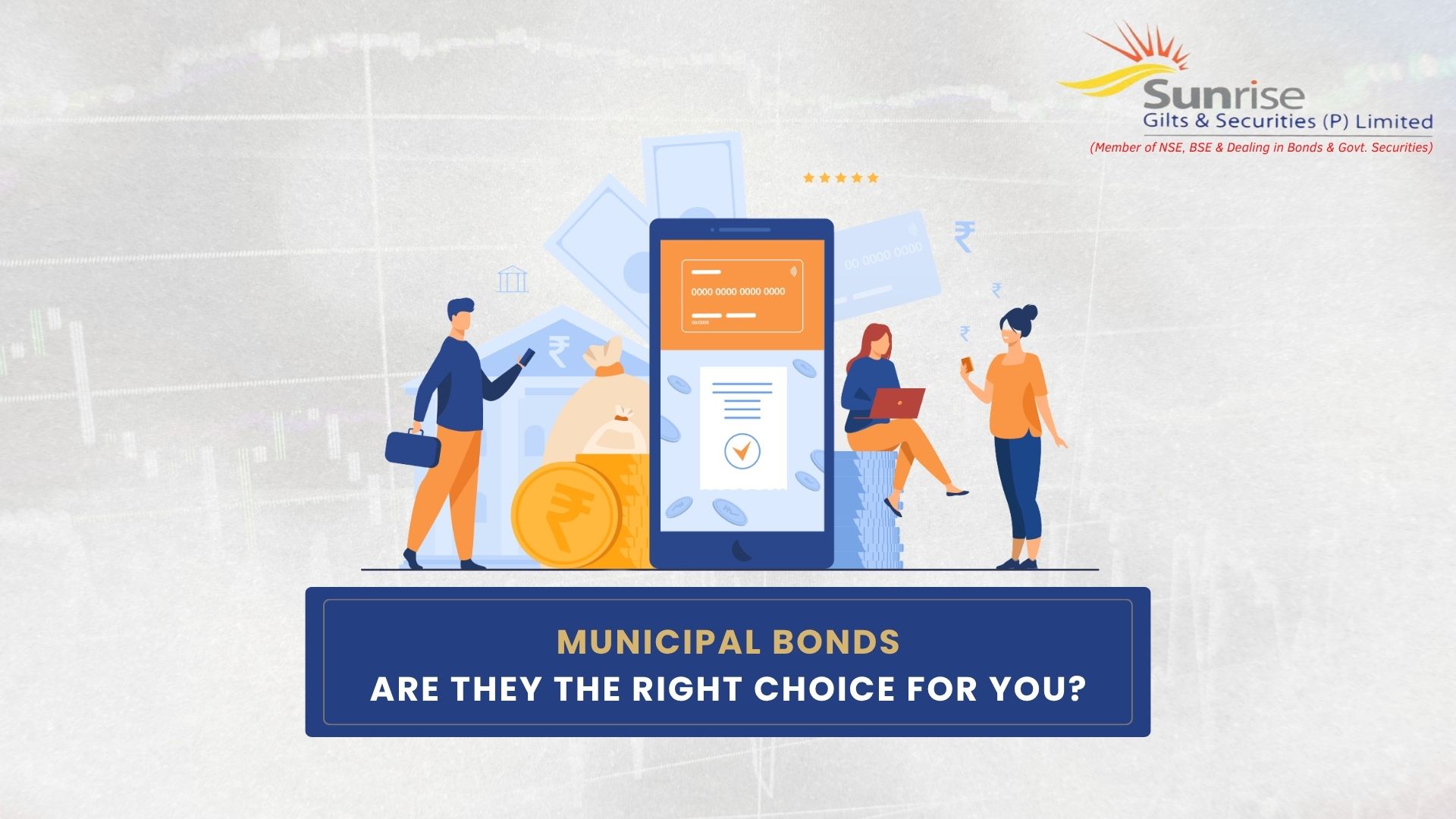
Municipal Bonds: Are They the Right Choice for You?
Are Municipal Bonds the Right Investment for You?
Municipal bonds, or "munis," are debt securities issued by local governments (cities, counties, states) to fund public infrastructure like schools, hospitals, and highways. They’re considered attractive to investors seeking low-risk, tax-efficient income.
What Are Municipal Bonds?
When you invest in municipal bonds, you’re essentially lending money to a local government. In return, the issuer pays you interest (the coupon) and repays the principal at maturity. These funds are often used for community projects such as:
- Schools and educational buildings
- Bridges and highways
- Water treatment facilities
Types of Municipal Bonds
- General Obligation (GO) Bonds: Backed by the issuer's credit and taxing power. Considered low-risk.
- Revenue Bonds: Backed by revenue from a specific project (e.g., toll roads, utilities). Higher risk than GO bonds.
Key Benefits of Municipal Bonds
1. Tax Advantages
Interest from most municipal bonds is exempt from federal income taxes—and sometimes from state and local taxes too.
- Tax Efficiency: Ideal for investors in higher tax brackets.
- Enhanced Yield: Tax-free income may provide better after-tax returns compared to taxable bonds.
2. Safety and Stability
Municipal bonds, especially GO bonds, are generally considered safe investments.
- Low Default Risk: Though rare, defaults can occur (e.g., Detroit bankruptcy).
- Credit Ratings: Rated by agencies like Moody’s and S&P. AAA and AA ratings offer more security.
3. Steady Income Stream
Municipal bonds provide fixed interest payments, often semi-annually.
- Predictable Income: Good for retirees or income-focused investors.
- Flexible Maturities: Ranging from short-term to 30 years.
Considerations Before Investing
1. Lower Yields vs. Corporate Bonds
Municipal bonds generally offer lower returns compared to corporate bonds due to their tax-exempt status.
- Opportunity Cost: May not suit investors seeking higher income.
- Inflation Risk: Lower yields might not keep pace with inflation.
2. Interest Rate Sensitivity
Bond prices fall when interest rates rise. Selling before maturity may result in losses.
- Mitigation Strategy: Consider bond ladders or shorter durations.
3. Credit Risk of the Issuer
Financial health of the issuer is critical—especially for revenue bonds.
- Research Needed: Always check credit ratings, fiscal stability, and revenue history.
- Risk of Default: Though rare, defaults like Puerto Rico and Detroit show it’s possible.
Is It Right for You?
Municipal bonds may be a good fit if you:
- Are in a high-income tax bracket and want tax-free income
- Prefer low-risk investments with steady returns
- Need regular income (e.g., retirees)
- Plan to hold the bonds long-term
However, they might not suit you if you:
- Seek high yields and can accept higher risk
- Worry about rising interest rates affecting value
- Lack time or comfort to analyze issuer credit quality
Conclusion
Municipal bonds provide tax-free income, low volatility, and steady returns, making them ideal for conservative and tax-conscious investors. However, it's important to weigh the lower yields and risks from interest rate changes and issuer credit. Assess your financial goals and risk profile to determine if munis are a fit for your portfolio.