Bond Public: Build a Smart Portfolio with Tax-Efficient Investment Strategies
Investors seeking to maximize their returns while minimizing tax liabilities should consider tax-efficient investment strategies. A well-structured portfolio can help reduce tax burdens and enhance long-term wealth accumulation. In 2025, as tax regulations evolve and financial markets shift, understanding tax-efficient investment options becomes even more critical. This guide explores key tax-efficient investment strategies while maintaining a strong focus on bond investment opportunities.
Understanding Tax-Efficient Investment Strategies
Tax-efficient investment strategies involve selecting assets and structuring portfolios in a way that minimizes tax liabilities. These strategies help investors retain more of their earnings, ensuring sustainable growth over time. Whether you’re a conservative investor focused on bonds or an aggressive investor diversifying into alternative assets, tax-efficient investment planning is essential.
Why Tax-Efficient Investment Strategies Matter in 2025
- Maximizing After-Tax Returns: Reducing tax liabilities allows investors to retain more of their investment income.
- Capitalizing on Tax-Advantaged Accounts: Utilizing retirement accounts and tax-efficient investment vehicles can boost portfolio performance.
- Managing Capital Gains Taxes: Smart investment selection can help defer or reduce capital gains taxes.
- Optimizing Asset Allocation: Placing tax-efficient investments in taxable accounts and tax-inefficient ones in tax-advantaged accounts improves overall tax efficiency.
Key Tax-Efficient Investment Strategies
- Investing in Tax-Advantaged Accounts: Tax-advantaged accounts such as IRAs, 401(k)s, and HSAs offer tax benefits that can enhance long-term investment growth. Contributions may be tax-deductible, and earnings can grow tax-free or tax-deferred.
- Prioritizing Municipal Bonds for Tax-Free Income: Municipal bonds provide tax-free interest income, making them attractive for high-tax-bracket investors.
- Tax-Loss Harvesting: This involves selling underperforming assets to offset capital gains taxes and reduce taxable income.
- Holding Investments for the Long Term: Long-term capital gains are taxed at lower rates. Holding investments longer helps reduce tax burdens and benefits from compounding growth.
- Asset Location Strategy: Place tax-efficient investments (e.g., municipal bonds, index funds, ETFs) in taxable accounts and tax-inefficient investments (e.g., high-dividend stocks, actively managed funds) in tax-advantaged accounts.
Tax-Efficient Investments vs. Bonds
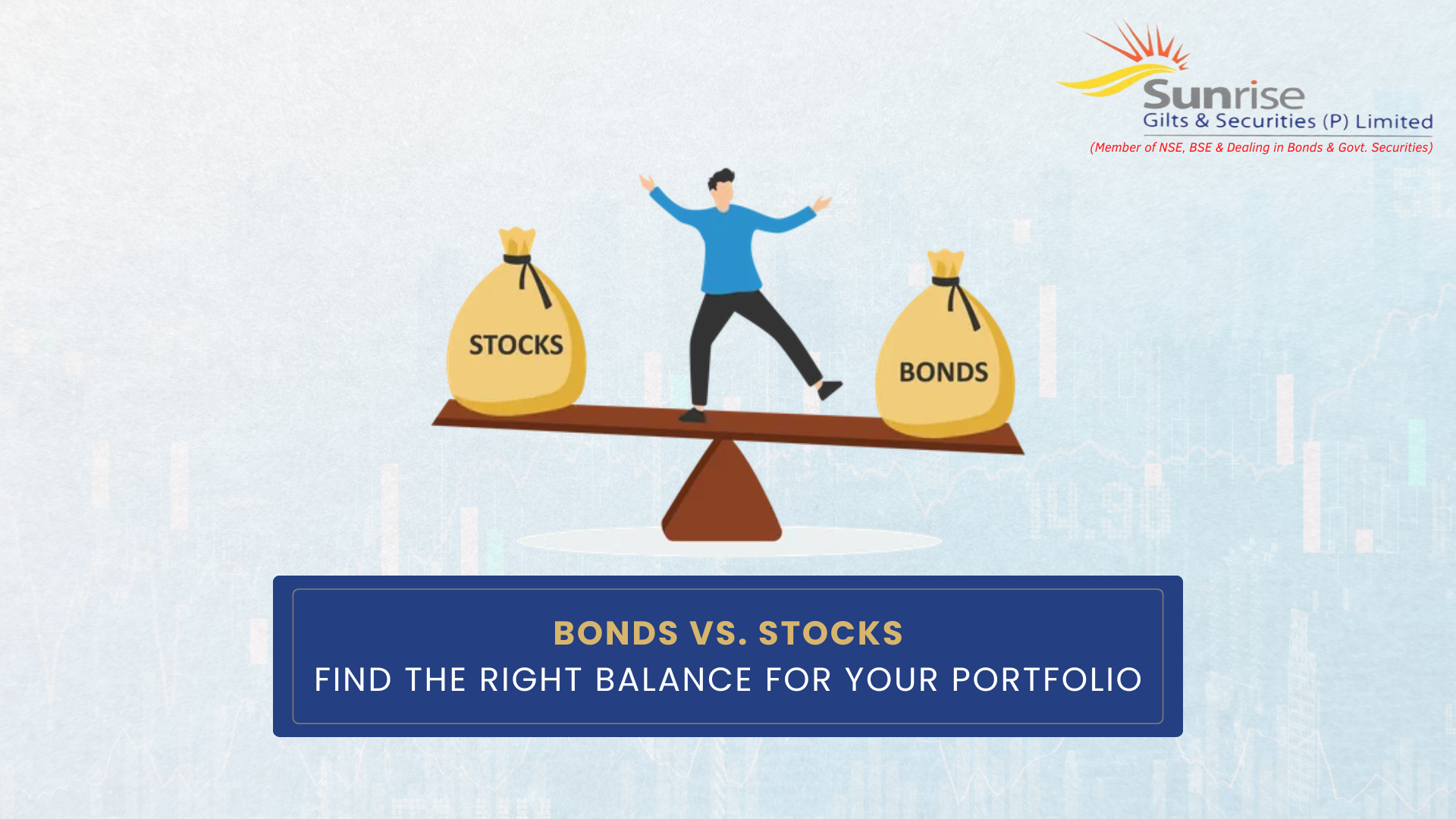
While bonds remain a core component of a balanced portfolio, combining them with tax-efficient strategies can maximize benefits. Here's how bonds compare:
- Municipal Bonds: Offer tax-free interest income—ideal for tax-conscious investors.
- Corporate Bonds: Higher yields but subject to income tax; best held in tax-advantaged accounts.
- Index Funds and ETFs: Low turnover and fewer capital gains distributions offer high tax efficiency.
- Dividend Stocks: Some qualify for reduced tax rates on qualified dividends, making them efficient for taxable accounts.
Balancing a Tax-Efficient Investment Portfolio
Conservative Investors: 60% tax-efficient bonds (municipal and government), 40% low-turnover ETFs and index funds.
Moderate Investors: 40% tax-efficient bonds, 40% tax-efficient equity funds, 20% REITs in tax-advantaged accounts.
Aggressive Investors: 30% tax-efficient bonds, 50% equities, 20% alternative investments (e.g., private equity, hedge funds) in tax-advantaged accounts.
Final Thoughts
Building a smart portfolio with tax-efficient investment strategies can significantly improve after-tax returns and ensure long-term financial growth. By focusing on tax-advantaged accounts, municipal bonds, tax-loss harvesting, and strategic asset placement, investors can minimize tax liabilities while optimizing performance.
Incorporating these strategies into a diversified portfolio ensures resilience and long-term success. Whether prioritizing bonds or exploring alternative assets, always consider tax implications when planning your investments for 2025 and beyond.